


Fighting Spreads Across Northern Ethiopia as Tigray Conflict Escalates
Fighting has intensified in Tigray and spread into Afar and Amhara, while rival accounts emerge over who initiated the latest escalation in northern Ethiopia.

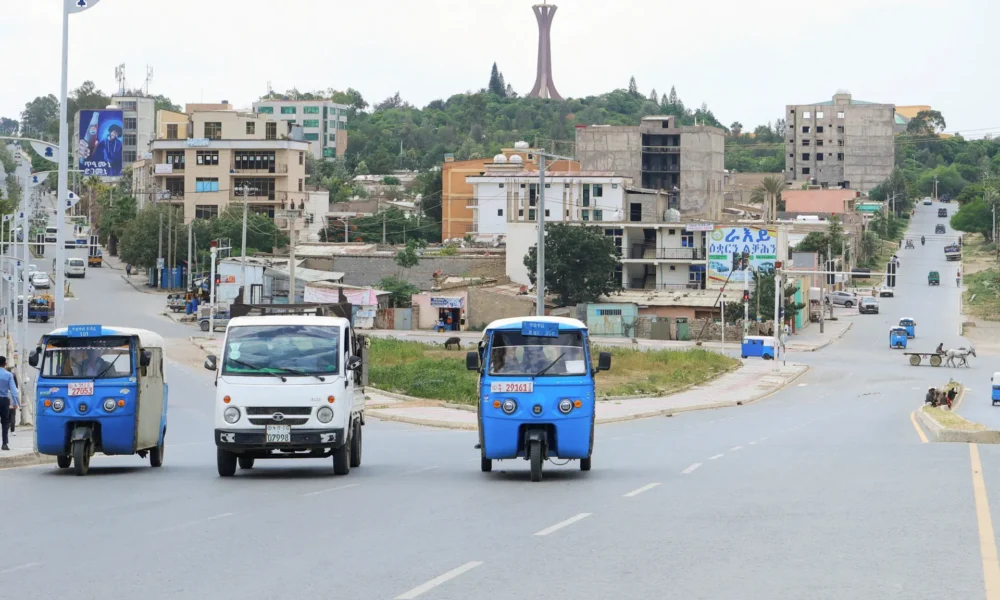
Military clashes have intensified across northern Ethiopia, beginning in Tigray and spreading into the neighbouring Afar and Amhara regions, amid rising tensions between federal forces and armed opposition groups.
Table Of Content
Lower-level confrontations between Ethiopian federal forces and Tigrayan forces had continued for weeks before the latest escalation. The federal government had also carried out frequent drone strikes, according to reports cited by Al Jazeera.
Abdisalam Balema, a member of the Tigray People’s Liberation Front (TPLF) central committee, said an offensive had begun around southern Tigray and that strikes were taking place in several locations. The Tigray Army separately described the operation as a “full-scale offensive” involving infantry, mechanised units and drones, and said its forces had begun counteroffensive operations.
Getachew Reda, an adviser to Prime Minister Abiy Ahmed, gave a conflicting account, accusing the TPLF of launching the attack. The competing claims could not be independently reconciled in the information available.
Air travel disrupted
The escalation has affected movement in the region. Tigrayan forces seized airports in Tigray, prompting Ethiopian Airlines to suspend flights across the region.
Local reports also said Tigrayan forces had captured Abala, a district capital in Afar. That report was not independently verified.
The United Nations has expressed concern about the formation of a new armed coalition and reports of drone attacks. The regional bloc IGAD has called for hostilities to end and for direct dialogue to resume.
Seven-group alliance
The fighting follows the formation of the Ethiopian Peoples’ Forces Alliance for Survival, a coalition of seven armed movements that has pledged to remove Abiy’s government.
The alliance includes the TPLF, the Amhara Fano National Movement and the Oromo Liberation Army. A faction of the Ogaden National Liberation Front is also part of the coalition. Its stated programme includes establishing a transitional government, holding a constitutional dialogue and moving towards elections.
Balema said the TPLF had been forced to cooperate with groups that also faced what he called an existential threat from the federal government. He said the alliance was intended to prevent the TPLF from being isolated as it had been during the 2020 war.
Government spokeswoman Billene Seyoum said the alliance’s members had previously cooperated with financial backing from Asmara. Balema denied that the coalition was receiving military or logistical support from Eritrea or Sudan, saying its foreign relationships were political. The available information does not independently verify either account.
Reda dismissed the alliance’s prospects of removing the government, saying, “I don’t lose sleep over that.” Analysts cited in the reporting also warned that the coalition’s members have different political goals, histories and unresolved disputes, including disagreements over western Tigray.
Fragile peace agreement
The latest violence threatens the peace established by the Pretoria agreement, which ended the two-year Tigray war in November 2022 and restored peace between Addis Ababa and the TPLF.
Eritrean and Amhara forces fought alongside the federal army during that war but were not parties to the final agreement. Relations between Eritrea and Ethiopia later deteriorated over the settlement and Abiy’s push for access to the Red Sea through Eritrean ports.
Conflict between the Ethiopian government and Fano fighters began in Amhara in 2023 after tensions over plans to dismantle regional forces. The alliance also brings together groups that have previously opposed the TPLF-led government, including the Oromo Liberation Army and an Ogaden National Liberation Front faction.
The humanitarian consequences could be severe. UN migration data indicates that about three-quarters of a million people were already internally displaced in Tigray because of the earlier war.
The renewed fighting is also unfolding amid broader tensions involving Ethiopia, Eritrea and Sudan. Observers have warned that rivalries in the region could increasingly affect Ethiopia’s internal conflicts, adding to uncertainty over whether the new coalition can remain united or whether the escalation will widen further.



No Comment! Be the first one.